To Spotify or Not to Spotify: A Look Into How the Streaming Giant Shapes Music Today
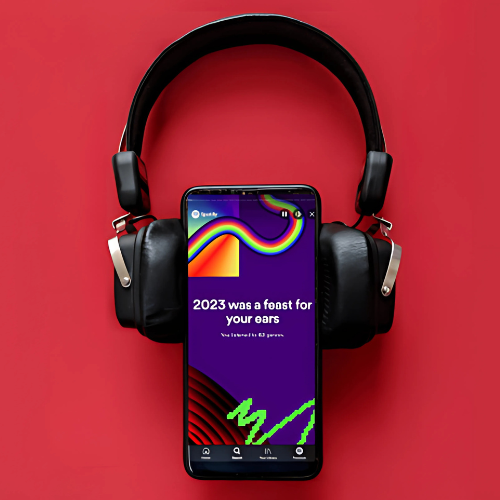
In today’s world, streaming has become the main way people consume music. At the center of it all is Spotify. A recent article explores two new books that reveal how this platform really works. While the books offer different views, they both show how Spotify’s choices affect the music we hear—and the artists who create it.
The first book, You Have Not Yet Heard Your Favorite Song by Glenn McDonald, shares a more hopeful take. McDonald, a former Spotify employee, explains how streaming has made music more accessible. He notes that more people than ever are paying to listen. To show how things have changed, he compares today’s $10-per-month subscription to the cost of buying CDs in the past. Whether someone used to buy one CD or a hundred, now they all spend the same each year.
New book I’m starting to read.
— Gergely Orosz (@GergelyOrosz) December 15, 2024
This years Spotify Wrapped was surprisingly disappointing and missed the fun in last years. I learned that the person behind much of Wrapped in previous years was let go last year.
His name is Glenn McDonald and he is the author of this book. pic.twitter.com/92Bg9yuBz5
He also encourages listeners to make better choices. Instead of following random playlists, he advises people to seek out real musicians. He writes, “When you let yourself be led by laziness, you’re most vulnerable to being sold mindless distractions labeled as ‘purposeful.’”
The second book, The Mood Machine by Liz Pelly, offers a much more critical view. Pelly argues that Spotify treats music as a product, not an art form. She claims the platform fills playlists with cheap, generic songs made by companies, not real artists. This shift has hurt both musicians and the people who used to carefully curate these playlists. As one employee said, “There were a lot of tears about this project internally at Spotify.”
Just got to see Liz Pelly do a reading from her new book on Spotify (in a room full of Boston music royalty). Haven’t been this psyched for a book in an age. pic.twitter.com/rnFg2brt0s
— Jeff Melnick (@melnickjeffrey1) February 22, 2025
The article also raises questions about fair pay, major label deals, and the pressure for constant content. Both authors agree on one thing: listeners should take charge of what they hear. Whether you follow Spotify’s lead or choose your own path, your listening habits shape the future of music.
For more stories like this, visit NaijaBeats.com