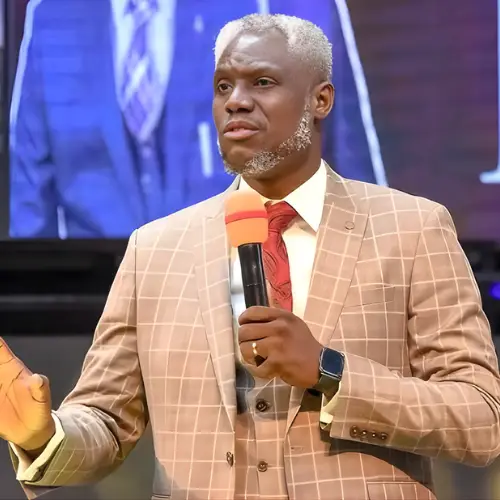
A heated discussion has taken over Nigeria’s gospel music community after Reverend Kesiena Esiri claimed that Afrogospel and Christian rap are “from Babylon.” His statement, which quickly went viral on social media, has sparked strong opinions about how faith and modern music should mix.
In his message, Rev. Esiri said that many gospel artists are taking too much inspiration from secular sounds. He described these genres as being rooted in what he called the “Babylonian system,” a phrase often used to describe worldly influence and moral decay. The pastor warned that Christian musicians who use Afrobeat and hip-hop beats may be losing focus on holiness and the true purpose of gospel music.
His comment triggered mixed reactions across the music scene. Many Afrogospel artists disagreed with his view, insisting that the sound of the music does not define its message. They argued that Afrobeat rhythms help connect with younger listeners, making it easier to spread the gospel to modern audiences. However, some others supported Rev. Esiri’s warning, saying that gospel music should sound distinct from secular music to keep its spiritual identity.
The conversation has now grown beyond faith to include business and culture. Afrogospel is one of the fastest-rising genres in Nigeria’s gospel market, pulling large audiences, streaming numbers, and brand partnerships. Rev. Esiri’s comment has therefore raised an important question about balance — how can gospel music stay true to its message while keeping up with global music trends?
Whether Afrogospel truly comes from “Babylon” or not, one thing is clear — it has become too powerful to ignore. The genre continues to redefine Nigeria’s gospel sound and push creative boundaries, even as debates about its spiritual roots continue.
For more stories like this visit naijabeats.com