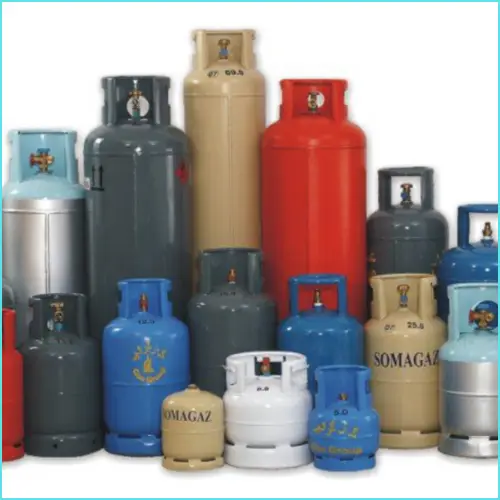
Residents of the Federal Capital Territory (FCT), Abuja, are feeling the pinch as the price of cooking gas continues to soar, adding more pressure to the already high cost of living. What used to be a routine household purchase has now become a luxury for many families, as prices for Liquefied Petroleum Gas (LPG) have reportedly risen from around ₦1,000 per kilogram to nearly ₦2,000 in some parts of the city. The sharp increase has left residents frustrated, with many calling on the government to intervene before the situation worsens.
For low- and middle-income households, the price surge has disrupted daily routines. Many residents say they are now forced to reduce cooking frequency or turn to alternative energy sources like charcoal and firewood, which pose environmental and health concerns. The economic strain has also affected small businesses that rely on gas for operations, such as restaurants and food vendors, who now face higher operating costs and reduced profits.
Experts attribute the rise to several factors, including the fluctuating exchange rate, increased international prices of gas, and challenges in local distribution. Nigeria, despite being a major producer of natural gas, still faces infrastructure and logistics problems that limit domestic supply. This creates a dependency on imports, which are vulnerable to global market shifts.
The government has acknowledged the growing concern but has yet to provide a clear plan for price stabilization. Industry players are urging authorities to prioritize investment in local gas processing and storage facilities to reduce reliance on imports and strengthen domestic capacity.
For many Abuja residents, the issue goes beyond convenience—it’s about survival in an economy where prices of essentials continue to climb. As cooking gas becomes less affordable, the cost of living crisis deepens, reminding Nigerians that even the simplest household needs are becoming increasingly difficult to sustain.
For more stories like this visit naijabeats.com