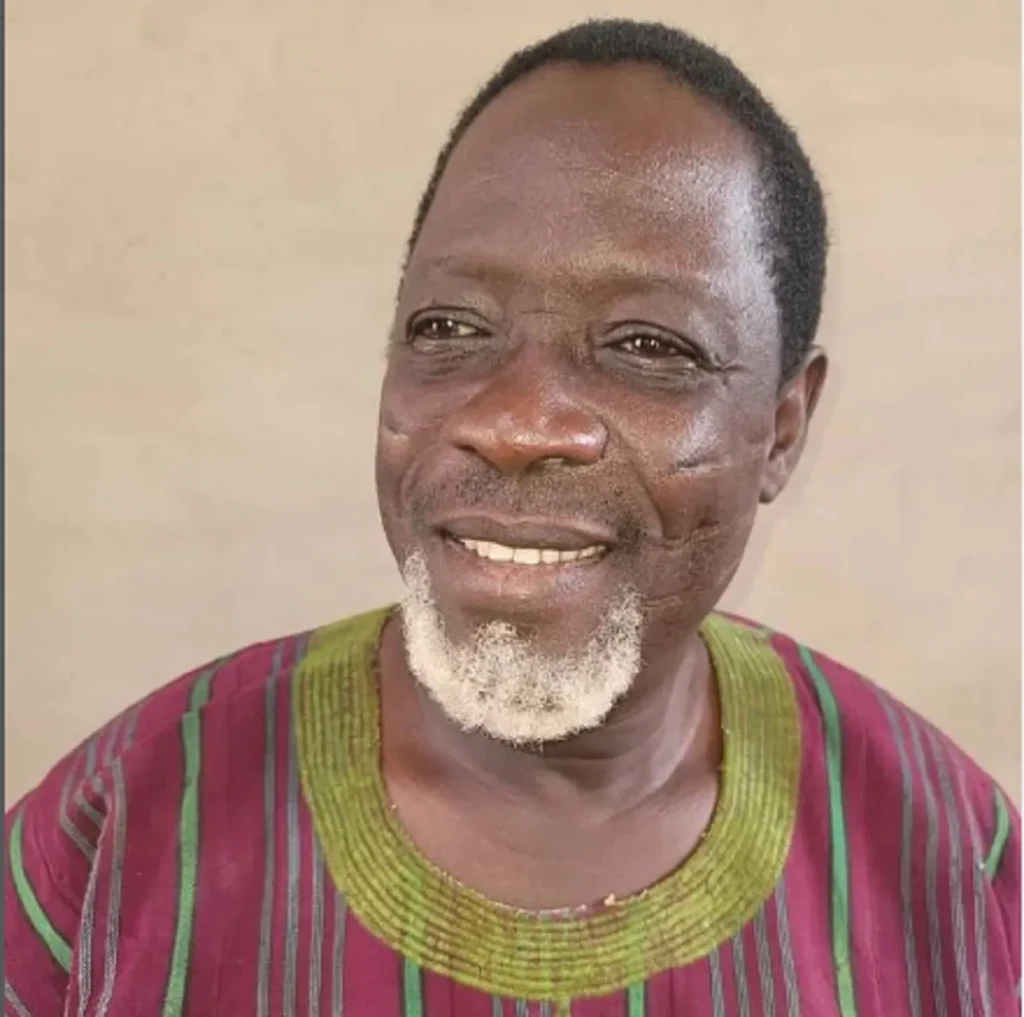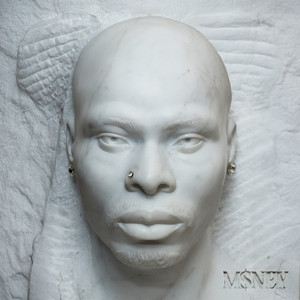
Legendary Nigerian Fuji musician Saheed Osupa, also known as Akorede Babatunde Okunola, publicly dismissed a controversial death prophecy made by self-styled Islamic cleric Alpha Olopa Meta, who claimed the singer would die on January 10, 2026. The prophecy went viral on social media earlier this month and drew widespread attention from fans, religious figures, and the general public.
In the circulated video, the cleric asserted that the claim was a divine revelation. He advised Osupa to buy a large or white ram for ritual prayers to avert the predicted death, invoking his own name and swearing by the Qur’an. The statement sparked backlash online, with many condemning the cleric for issuing threats and making public pronouncements about a prominent entertainer.
Osupa responded to the prophecy during a live performance on January 11, the day after the predicted date passed without incident. He strongly rejected the cleric’s claim and warned those wishing him harm. He said, “Fake Alpha and prophet please don’t wish me dead. Everyone who wishes me dead will die in my place. Close enemies, unknown enemies, enemies of my career and the ones in my neighborhood, better don’t wish me dead, or you would die before me.” He also addressed other religious figures making similar claims: “To every demonic alpha and demonic cleric, please do not wish me death.”
Reports later indicated that Olopa Meta attempted to retract the prophecy in a leaked conversation and an apology video. He admitted that the statement was not divine but a tactic to get Osupa’s attention and promised that such declarations would not happen again.
The incident highlights concerns about unverified prophetic claims on social media and the risks they pose to public figures in Nigeria. Saheed Osupa, who blends traditional Yoruba Fuji music with modern sounds, continues to perform and maintain his career despite the controversy.
This event underscores the influence of social media in spreading unverified information and the need for accountability when public figures are targeted. It also reflects broader discussions about faith, entertainment, and responsibility in Nigeria’s digital and cultural landscape.
For more stories like this visit naijabeats.com