
Nigerian households are finally catching a break as food prices record a noticeable drop after a long period of inflation, across major markets nationwide. After months of struggling with the soaring cost of living, families are beginning to experience relief at the stalls and supermarkets, thanks to a mix of seasonal harvests, improved food supply, and government interventions.
A recent market survey by BusinessDay revealed that staple food prices have dropped by as much as 30 percent year-on-year. In Lagos, a 50-kilogram bag of local parboiled rice, which sold for about ₦73,000 in October 2024, now goes for around ₦65,000. The same quantity of foreign parboiled rice, previously ₦82,000, has dropped sharply to ₦62,000. In Abuja, local rice prices have fallen from ₦75,000 to about ₦63,000, while in the South-West, prices of beans, maize, and garri have also declined significantly.
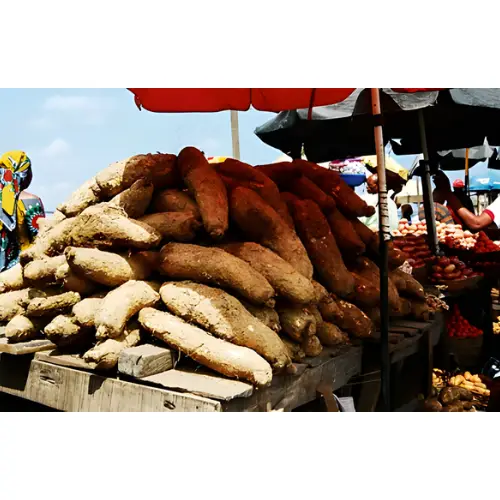
The most dramatic change has been seen in garri prices. A 4-litre container that previously sold for ₦4,000 now sells for around ₦1,600—a drop of nearly 60 percent. Traders attribute the price decline to the ongoing harvest season, improved farming conditions, and better security in food-producing regions. Additionally, the federal government’s decision to grant a temporary waiver on food imports has eased pressure on local supply.
The National Bureau of Statistics also reports that food inflation, which once peaked at 40.87 percent in June 2024, has now eased to 16.87 percent as of September 2025. For many Nigerians, this drop means more affordable meals and a chance to redirect their income toward other needs. While challenges remain, especially in transportation and fuel costs, the recent trend offers hope that the economy is slowly finding balance and that everyday families are beginning to feel the impact where it matters most—the kitchen table.
For more stories like this visit naijabeats.com