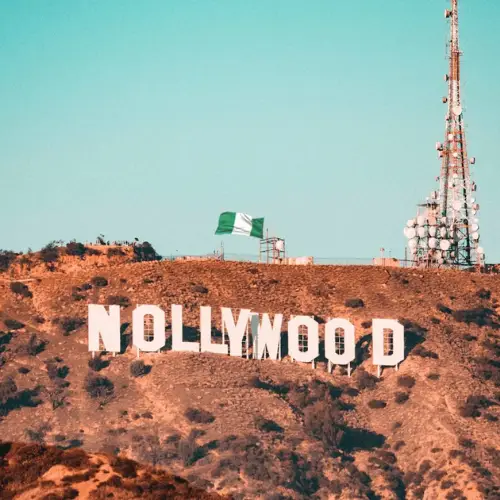
Nollywood, Africa’s biggest film industry, is facing one of its oldest and toughest battles: piracy. While Nigerian filmmakers work tirelessly to produce world-class stories that reach global audiences, pirates are making billions of naira by distributing stolen content. For producers and investors, the losses are devastating, often leaving them unable to recover the money spent on production.
A report as far back as 2007 by Agape Solicitors in the UK estimated Nollywood’s international piracy losses at N120 billion. Almost two decades later, the problem still persists. Producers continue to speak out about how piracy drains the industry, with many admitting that projects they invested heavily in barely broke even because pirated copies flooded the market almost immediately after release.
The rise of streaming platforms like Netflix and Amazon Prime Video has opened new doors for Nollywood, giving films better visibility and global earnings. Yet, piracy still lurks, both in physical formats sold openly on streets and online downloads that are nearly impossible to fully track. For an industry that creates thousands of jobs and contributes to Nigeria’s cultural identity, this issue threatens growth and sustainability.
Industry experts argue that Nigeria’s intellectual property laws need urgent reforms to close loopholes and properly punish offenders. Beyond government action, filmmakers believe Nigerians themselves must play a role by supporting original content instead of buying cheap pirated copies. Without collective effort, the cycle of loss and exploitation will continue.
As Nollywood continues to expand internationally, protecting intellectual property has become more than just an industry issue. It is key to securing the future of African storytelling on the global stage.
For more stories like this visit naijabeats.com