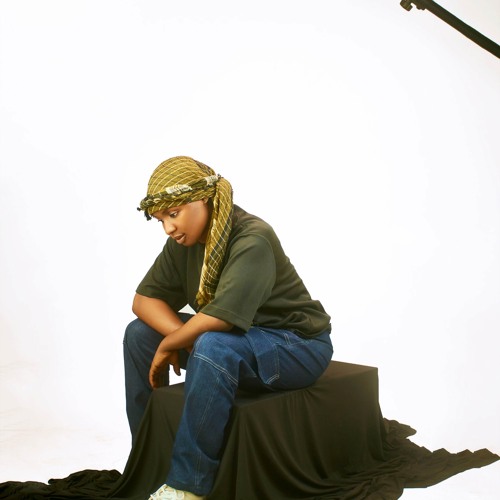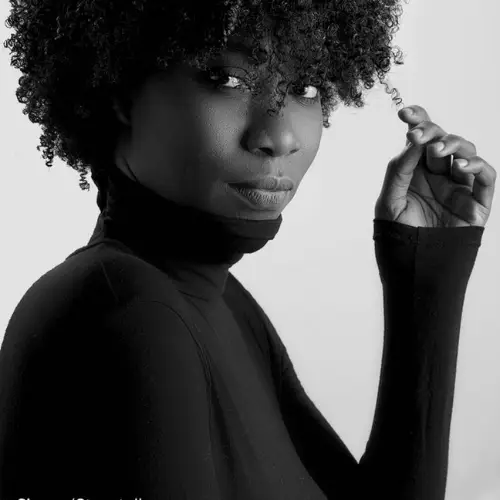
Nigerian singer-songwriter Amuta Stone is making waves by blending soul, jazz, and EDM to create a unique sound that redefines storytelling through music. Her artistry is a reflection of her diverse upbringing, with roots in Zaria, Port Harcourt, and Abuja.
From collaborating with industry heavyweights like Modenine and Bobi Wine to sharing stages with music icons such as Asa, TuFace, and D’Banj, Stone has established herself as a formidable talent. In this exclusive interview with Naijabeats.com, Amuta Stone shares insights into her journey, inspirations, and the unforgettable moments of performing alongside legends. She also offers a glimpse into what fans can anticipate from her upcoming projects.
For readers who are just discovering your music, how would you introduce yourself and your sound?
I’m Amuta Stone: creator, inspirer, and storyteller. I do all of that through music and film. My sound is a blend of Soul, Jazz, and EDM, primarily House, and my music tells stories and expresses emotions from the soul.
Many describe your artistry as soulful storytelling with jazz, blues, and African influences. From your own perspective, how would you define Amuta Stone beyond the genres?
I don’t really see myself as just a singer locked into genres. For me, music is storytelling. It’s how I breathe life into experiences, emotions, and moments that words alone can’t hold. My artistry lives beyond jazz, blues, or African influences; those are only colors on my palette.
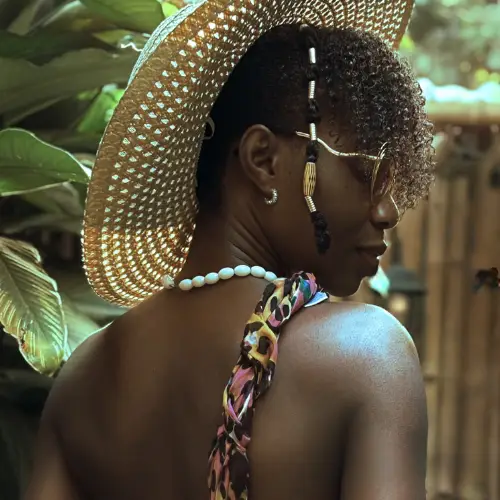
At the heart of it, I’m a storyteller. I use melody, rhythm, and silence to say what the soul feels but can’t always explain. My music is about presence, about creating moods that linger, whether it’s reflection, joy, or healing.
I see myself as a bridge, blending cultures and feelings into something that’s both familiar and deeply personal. What I bring isn’t just sound; it’s energy, raw, vulnerable, and alive.
Your journey spans Zaria, Port Harcourt, and Abuja. How has that shaped the artist we see today?
I was born in Zaria, but I really grew up in Port Harcourt, where I spent my childhood all the way through primary school. I started secondary school at Word of Faith in Benin, and after JSS1 and 2, I moved to Abuja, where I eventually graduated. Port Harcourt gave me my foundation, full of energy and expression. Benin added its own flavor to my journey. And Abuja gave me a broader outlook, a mix of cultures and perspectives that opened me up to blending influences in my music.
The layers of those places live in my music: raw, soulful, and always seeking connection. So even though Zaria is where my story began, it’s Port Harcourt, Benin, and Abuja that truly shaped who I am as a person and as an artist.
You’ve performed at high-profile events like the Nigerian Special Awards at Aso Villa and Obasanjo’s Democracy Works launch. What did those experiences mean for your growth as an artist?
Performing at events like the Nigerian Special Awards at Aso Villa and President Obasanjo’s Democracy Works Book Launch was more than just being on those big stages. For me, it was proof that my music could stand in spaces of influence and still carry its soul. Those experiences gave me confidence, and they also challenged me to rise to the moment, to bring not just performance but presence.
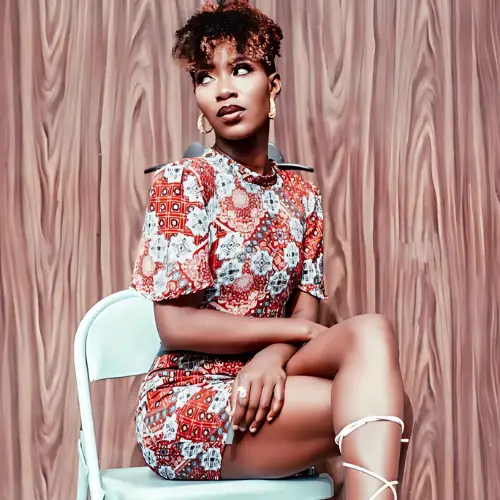
They reminded me that my artistry has weight, that it can speak to people in different walks of life, from intimate audiences to dignitaries. And that gave me a deeper sense of responsibility to stay true to my sound while continuing to grow.
Your sound blends soul, jazz, and electronic influences. Who or what has inspired this unique mix?
Growing up, I actually loved electronic music, especially techno. After secondary school I discovered jazz, and that changed everything for me. In 2010, when I was signed to 1449 Productions in Lokoja, I decided I wanted to create jazz music. Over time, my love for electronic sounds and my passion for soul and jazz started to blend naturally, giving me the sound I have today.
Beyond genres, I’m inspired by life itself: my late sister Tina’s creativity, the different cities I’ve lived in, and the human moments that remind me why music matters. All of that comes together in my sound, raw, soulful, and always evolving.
When you sit down to create, what usually comes first for you — the melody, the lyrics, or the emotions you want to express?
For me, it usually starts with emotion. I’ll feel something deeply, whether it’s joy, grief, longing, or even just a mood, and that becomes the seed. Sometimes the emotion comes out as a melody first, sometimes as words, but the feeling is always the foundation.
When I sit down to create, I’m not trying to force a song into being. I’m letting the emotion guide me into sound, and the melody and lyrics just follow. That’s why my music often feels like storytelling; it’s really emotion finding its own language.
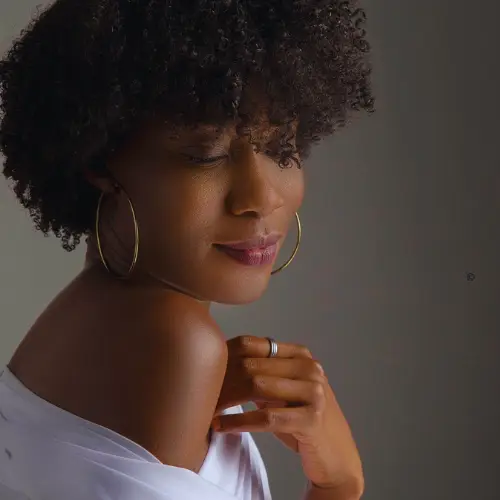
Tell us about your collaboration with Bobi Wine during the COVID-19 lockdown — what message were you hoping to share with listeners at that time?
Collaborating with Bobi Wine during the COVID-19 lockdown was really special. The world was going through so much uncertainty, and music felt like one of the few ways we could still reach and comfort people. The message we wanted to share was simple but powerful: hope, resilience, and unity.
That time reminded us that even when we’re physically apart, music can connect us and give us strength. For me, it was about using my voice to lift spirits and remind listeners that we’re not alone, even in the hardest moments.
‘My Country’ with Modenine gave you an early platform in hip-hop. How did that collaboration come about, and what did it teach you as a musician?
I’ve known Modenine since the early 2000s. By the time we worked on ‘My Country,’ there was already that mutual respect. The collaboration came pretty naturally, just friends in the culture linking up and creating. What struck me most was how meticulous he was with his writing and delivery. Watching him work taught me a lot about discipline, about how every bar has to serve the story you’re telling.
It pushed me to sharpen my own pen and be intentional with my music. Beyond that, it showed me how powerful hip-hop can be when it’s not just about rhymes, but also about message and legacy.
In your biography, it’s mentioned that you’ve performed alongside Asa, D’Banj, MI, Made Kuti, and TuFace, among others. What was that experience like for you, and was there a moment that felt especially surreal?
Performing alongside legends like Asa, D’Banj, MI, Made Kuti, and TuFace has been surreal for me. Each of them carries something so distinct: Asa’s soul and purity, D’Banj’s energy, MI’s lyrical fire, Made’s musicianship, and TuFace’s timeless presence. One unforgettable moment was performing before TuFace at the stadium in Lokoja. Standing on that stage and then watching the entire crowd erupt when he came on was humbling and motivating all at once.
I’ve also had the privilege of opening twice for Asa in 2021 and 2022 at her live concerts. The first time, I actually got to meet her, which was such a special moment because people often tell me I sound like her. To hear that comparison while sharing a stage with her felt like a dream aligning with reality. Experiences like these remind me why I do music; they keep me grounded while pushing me to stay present and relevant.
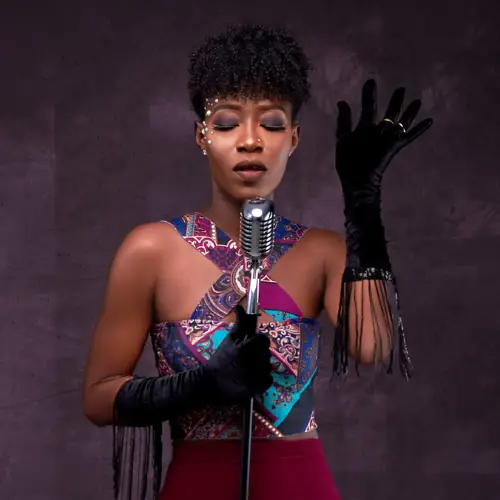
Finally, before we round up, I’d love to know what project you have ahead or what’s next for you.
What’s next for me is a project that feels very close to my heart. I’m working on new music that blends everything I’ve learned so far: my roots, my influences, and my personal journey. Lately, I’ve been doing a lot of House music collaborations, which has been such a refreshing space for me creatively.
I’m also creating soundtracks and theme music for movies and series, something I’ve always wanted to explore because of how deeply music shapes storytelling. And on top of that, I’m gearing up for touring soon, which I’m really excited about because the stage is where I feel most connected to people. I can’t give too much away just yet, but I can say the next chapter is about growth, authenticity, and creating work that truly resonates.
Bonus Question: If you could speak directly to a young artist just starting out, what advice would you give?
I’d say this: focus on your vision before the noise. The industry can be distracting, but the one thing that will always stand out is authenticity. Take time to find your voice and don’t rush the process, growth takes time and that’s okay. Surround yourself with people who believe in you, but also learn to believe in yourself even when support feels scarce. Most importantly, stay consistent, stay teachable, and protect your passion. Fame and opportunities will come and go, but your art is what lasts.
As Amuta Stone continues to blend genres, tell stories through music, and explore new creative projects, one thing remains clear: her artistry is deeply personal, yet universally relatable. With authenticity and passion at the heart of her work, she’s an artist to watch in Nigeria’s evolving music scene.
For more stories like this visit naijabeats.com