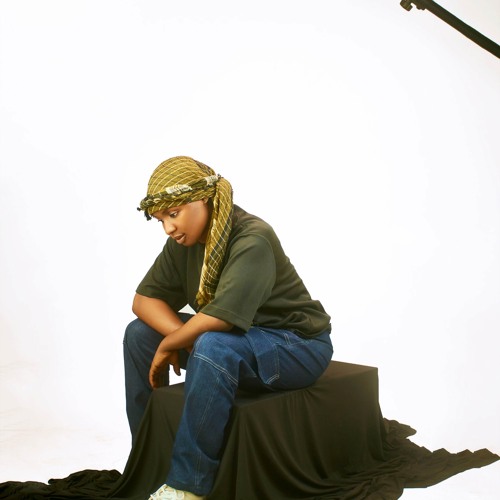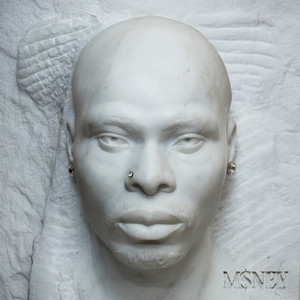
Nigerian rapper Jeriq has pushed back against the long-held belief that Igbo artists do not support one another in the Nigerian music industry. Speaking during a recent appearance on The Vybz TV Cartel podcast, the rapper described the claim as false and misleading, insisting that his personal journey tells a very different story.
Jeriq, whose real name is Jeremiah Chukwuebuka Ani, explained that some of the biggest boosts in his career came from fellow Igbo musicians, especially senior artists who offered support without demanding money or contracts. According to him, the narrative that Igbo artists are selfish ignores the quiet but impactful help many of them provide behind the scenes.
He singled out Flavour as a major example, noting that the highlife star has consistently helped emerging Igbo artists grow their careers. Jeriq said Flavour’s support went beyond encouragement and translated into real collaborations that shaped his success. “The narrative that Igbo people don’t help each other is a fallacy. Flavour for example, has helped a lot of artists, including several rising Igbo artists, who are now thriving in the music industry due to his co-sign,” he said.
The rapper revealed that his biggest song to date, ‘Oluoma,’ featured a verse from Flavour, which he said was given freely. He stressed that the song’s performance speaks for itself. “I am also a beneficiary of Flavour’s magnanimity. My biggest song ever in this life is ‘Oluoma.’ Who gave me the verse? Flavour. Numbers don’t lie. It’s my biggest song ever. Flavour did not collect a dime from me,” Jeriq stated.
He also spoke about his long-standing relationship with Phyno, explaining that while collaborations with other artists often involve contracts and split sheets, his work with Phyno and Flavour came without financial demands. “I collaborate with other artists and they send me contract and split-sheet. But Phyno and Flavour have never collected a dime from me. I have done three songs with Phyno and one hit with Flavour. They collaborated with me free of charge,” he said.
Looking beyond his personal experience, Jeriq expressed confidence in the global potential of Igbo-language music, predicting that it would soon reach international heights. Drawing a comparison with Asake’s success using Yoruba lyrics, he said, “The way Asake is doing everything with Yoruba language, I believe that somebody will sell out a stadium either in U.S or Paris with Igbo language.”
Jeriq’s comments have since sparked fresh conversations online about unity, collaboration, and regional representation in Nigerian music, as the industry continues to evolve and expand globally.
For more stories like this visit naijabeats.com