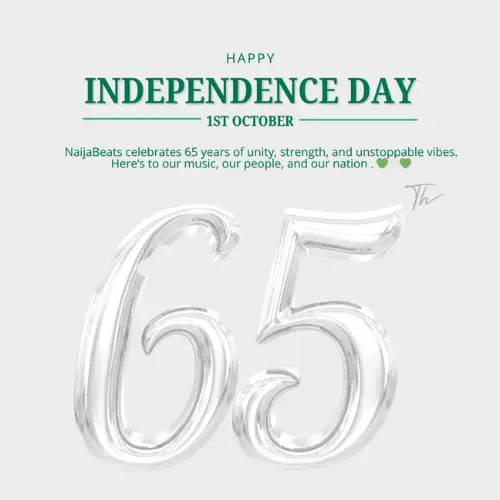
So, it’s that time of the year again—October 1st—when Nigerians across the country and around the world come together to celebrate independence. This year, 2025, marks 65 years since Nigeria gained freedom from British colonial rule, and the energy on the streets, online, and in homes is nothing short of electric. Flags wave high, music fills the air, and the country is alive with pride and joy.
Nigeria’s independence day is more than a date on the calendar; it is a celebration of resilience, culture, and unity. On October 1, 1960, the nation stepped into a new chapter, guided by leaders who dreamed of a self-governing Nigeria. Today, we honor their sacrifices and the struggles of generations that followed to build a stronger, more vibrant nation.
Over the years, Independence Day celebrations in Nigeria have been marked by a mix of official ceremonies, cultural displays, and patriotic fanfare. Parades in Abuja and other major cities showcase the country’s military and civil achievements, while communities across Nigeria honor the day with traditional dances, cultural exhibitions, and festive gatherings. Music and fashion are always at the forefront, with Afrobeat rhythms, colorful Ankara outfits, and local cuisine highlighting the nation’s rich heritage. Social media often comes alive on October 1, as celebrities and influencers share messages of patriotism and pride. Last year, stars like Burna Boy, Tiwa Savage, and Davido sent Independence Day greetings to fans, reminding everyone of the unity and resilience that define Nigeria. Over time, these celebrations have become a blend of tradition, entertainment, and national pride, reflecting both the country’s history and its vibrant culture.
History of Nigeria
Nigeria’s road to independence was shaped by decades of resistance, negotiation, and activism. From early nationalist movements in the 1920s to the formation of political parties in the 1940s and 1950s, Nigerians fought for self-rule, education, and equality. Leaders like Nnamdi Azikiwe, Obafemi Awolowo, and Ahmadu Bello played crucial roles in negotiating the country’s independence from British colonial rule in 1960.
How Far We’ve Come: The Good and Bad
Since independence, Nigeria has made remarkable strides in areas like arts, music, technology, and education. Cities have grown, industries have expanded, and Nigerian culture has gone global. Yet, challenges remain, including political instability, corruption, and social inequality. Independence Day is a moment to celebrate progress while acknowledging the work still needed to build a fully united and prosperous nation.
As Nigerians celebrate, whether waving flags, sharing memories online, or dancing to their favorite tunes, it’s a time to honor the past, reflect on the present, and look forward to the future. Happy 65th Independence Day, Nigeria—may the next year bring unity, growth, and pride.
At NaijaBeats, we join millions of Nigerians at home and abroad in celebrating this historic day. We salute the resilience of our people, the richness of our culture, and the power of music, art, and entertainment in shaping our national identity.
Happy Independence Day, Nigeria! Here’s to peace, progress, and a brighter future.
For more stories like this visit naijabeats.com